Do you want to know a secret? Now, the thing about secrets, people judge you for some and other secrets make you the life of the party. So here's mine...
I like to watch Professional Wrestling.
I know the eye-rolls that come with that. People think it’s weird, fake, or taboo. But if you look past the spandex, muscles, and high-flying athletic stunts, you’ll see the ultimate marketing presentation. Wrestling has evolved from overweight men in smoky rings in small-town America to one of the most sophisticated, high-production global spectacles on the planet. Wrestlers aren’t just local characters anymore; they are beloved international athletes filling stadiums from London to Tokyo. This evolution fascinates me because I remember the world before the "WWE" existed.
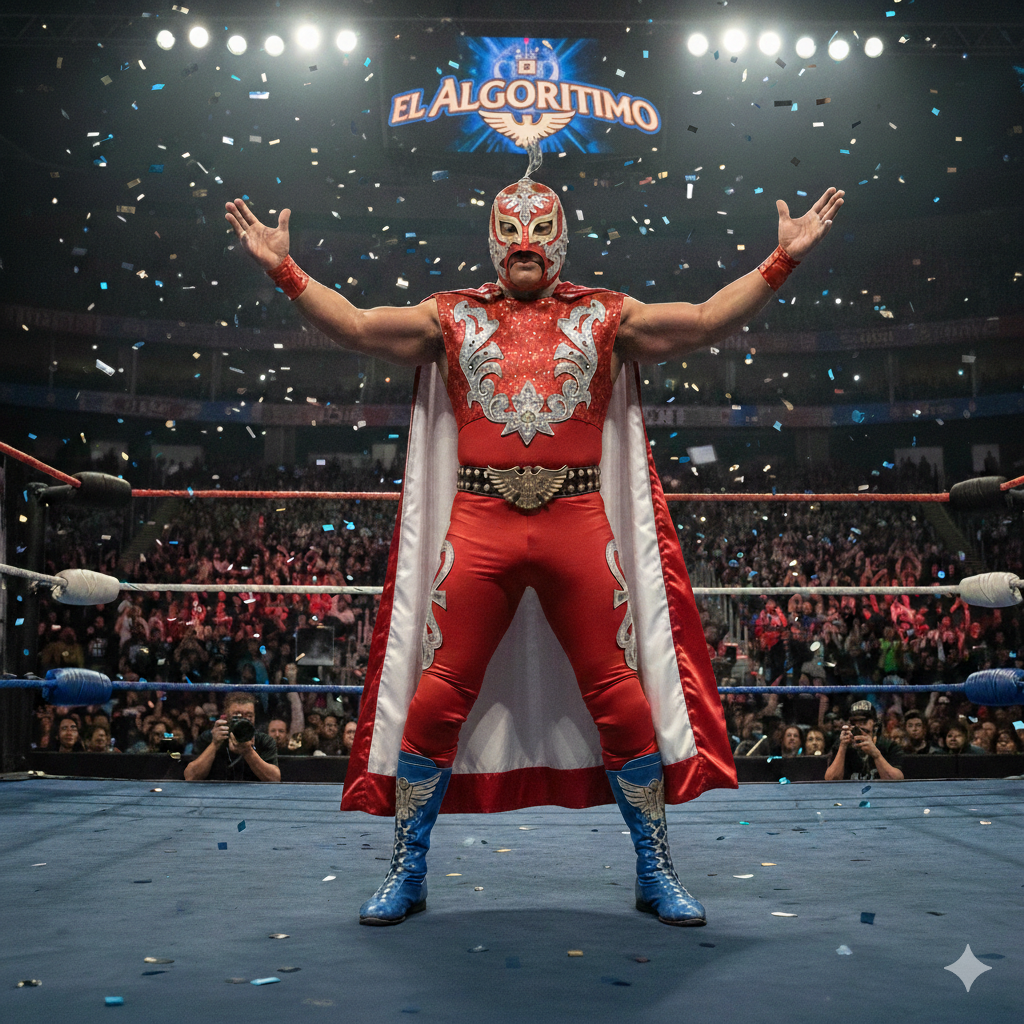
The Lesson of the Territories
In the 1970s, wrestling was a "territory" system. Dozens of small companies had "gentleman’s agreements"—they stayed in their own regions and never broadcasted outside of them. At that rate, wrestling was destined to remain a niche regional hobby that prevented extreme talent, like Jerry “The King” Lawler from ever becoming a national face as an actual wrestler. The wrestlers never had the platform to prove their authority in the ring. But one person, Vince McMahon, had a vision. He understood that for the business to grow, the model had to change. He stepped outside the territories, rocked the boat, and utilized a new technology—national cable—to take professional wrestling global. Whether you like the product or not, the business plan was solid: He saw the technological shift and scaled before anyone else realized the walls were gone.
Our "Territory" Moment
We are faced with the same situation across almost every traditional industry today. Many of the ways we do things—from manufacturing to marketing—have been frozen in time for decades. Even with the dawn of the “World Wide Web”. We have our professional "territories," our traditional sales routes, and our comfortable "gentleman’s agreements." The way we marketed the past 30 years has changed, but we haven’t seen anything yet. We can be afraid of Artificial Intelligence, or we can realize that it is the "National Cable" of our generation. It isn't going anywhere but up, and it’s about to break the walls that hold us back.
How AI is Rewriting the Playbook Just Like WWE Did.
AI will change more than just how we write emails; it will change how we exist in the market. Here is how this shift is playing out across the business world:
1. Predictive "Spec" Advertising
In many industries, we wait for a customer to ask for a quote or a sample. In the near future, AI agents will track market data, project permits, and consumer trends in real-time. Before a client even realizes they need a specific solution, AI will have analyzed their history and local data to serve them an advertisement for the exact product they are most likely to require. We won’t be just selling anymore; we're predicting.
2. The Death of the Physical-Only Experience
Wrestling moved from local gyms to High Definition to make the experience feel real at home. AI and Generative Vision are doing this for physical products. Whether it's home decor, masonry, or fashion, we are moving toward a world where a customer can take a photo of their environment and AI will instantly render a photorealistic "final result." The barrier between "seeing it" and "owning it" is disappearing.
3. Hyper-Local Globalism
Just as wrestling found less known—but just as marketable—athletes from other countries to grow their brand, AI allows a small, local company to sell to the world by proving its authority globally. This differs from traditional SEO, which only indexes a company's data, sometimes leaving smaller companies to only sell locally. Language-model-driven SEO (and the emerging Generative Engine Optimization) means a buyer in Dubai can find a specialist in more rural American regions because AI translates technical specs, cultural "vibe," and legal requirements into their local context instantly. Proving the small company’s authority in the specified market.
The Winds of Change
We can argue that we’ve done it the "old way" for 40 years and it’s worked fine. But at the end of the day, we are feeling the winds of change. Just as the old territory promoters were left behind when the world moved to national broadcasts, those who ignore the power of AI-driven marketing will find their "territory" shrinking until it disappears. AI will change how we advertise. It will change how we sell. But most importantly, it will change who wins. The question is: Are you going to stay in the small-town ring, or are you ready for the main event?